Mastering Product Reviews and Comparisons
- howhives
- Nov 22, 2025
- 4 min read
When I first started exploring smart home devices, I quickly realized how overwhelming the choices could be. Every product claims to be the best, and the reviews can be confusing or biased. Over time, I developed a method to evaluate products clearly and fairly. This approach helps me and others make confident decisions. In this post, I will share expert product review tips that simplify the process of assessing smart home gadgets and tech devices.
Understanding What Makes a Good Product Review: Expert Product Review Tips
A good product review is more than just a star rating or a list of features. It should provide clear, practical information that helps you understand how the product performs in real life. Here are some key points I focus on when reading or writing reviews:
Functionality: Does the product do what it promises? I test the main features and note any limitations.
Ease of Use: Is the device user-friendly? I consider setup time, app interface, and daily operation.
Build Quality: How durable does the product feel? I check materials and design.
Value for Money: Is the price justified by the features and performance?
Customer Support: How responsive and helpful is the manufacturer?
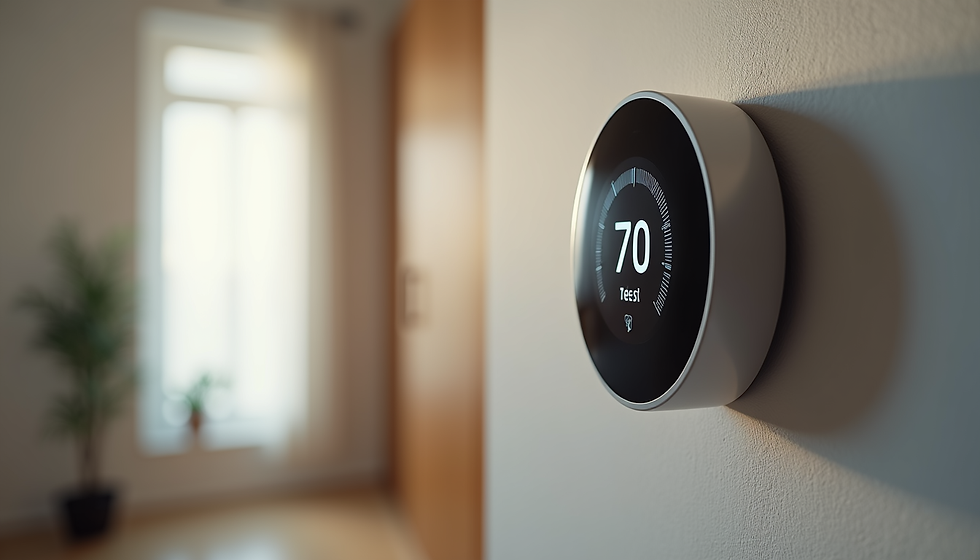
When I write reviews, I include specific examples. For instance, if a smart thermostat claims to save energy, I track temperature changes and energy consumption over a week. This hands-on approach gives readers actionable insights.

How many 5 star reviews do I need to negate a 1 star review?
This question often comes up when evaluating products online. A single 1-star review can feel like a red flag, but it’s important to put it in context. Not all negative reviews carry the same weight, and a large number of positive reviews can balance out a few poor ones.
Here’s how I approach this:
Look at the total number of reviews: If a product has 500 reviews with an average of 4.5 stars, one 1-star review is unlikely to change my opinion.
Read the content of the 1-star review: Sometimes, negative reviews highlight specific issues like shipping delays or user errors rather than product faults.
Check for patterns: Multiple 1-star reviews mentioning the same problem are more concerning than isolated complaints.
Calculate the impact: Roughly, 4 to 5 five-star reviews can offset one 1-star review in the overall rating, but this depends on the total review count.
By analyzing reviews this way, I avoid overreacting to a single bad rating and focus on the overall user experience.
Comparing Products Effectively
When comparing smart home devices, I use a structured approach to highlight differences and similarities. This helps me and others choose the best option for specific needs.
Step 1: Define Your Priorities
Before comparing, I list what matters most. For example:
Compatibility with existing devices
Budget constraints
Specific features like voice control or energy monitoring
Brand reputation
Step 2: Create a Comparison Table
I find tables very useful for side-by-side comparisons. Here’s a simple example for smart plugs:
| Feature | Product A | Product B | Product C |
|------------------|--------------------|--------------------|--------------------|
| Price | $25 | $30 | $20 |
| Voice Assistant | Alexa, Google | Alexa only | Google only |
| Energy Monitoring| Yes | No | Yes |
| App Rating | 4.7/5 | 4.2/5 | 4.5/5 |
Step 3: Test and Review
I test each product under similar conditions. I note setup time, responsiveness, and any quirks. This hands-on testing reveals differences that specs alone don’t show.
Step 4: Summarize Findings
I write a clear summary highlighting which product suits different users. For example, Product A is best for those who want broad voice assistant support, while Product C offers the best value for budget-conscious buyers.

How to Spot Fake or Biased Reviews
Fake or biased reviews can mislead buyers. I use these tips to identify trustworthy feedback:
Check reviewer profiles: Genuine reviewers often have a history of varied reviews.
Look for detailed feedback: Real reviews usually include specific pros and cons.
Beware of overly positive or negative language: Extreme praise or harsh criticism without details can be suspicious.
Use multiple sources: Cross-check reviews on different platforms.
Watch for timing patterns: A sudden spike in reviews in a short period may indicate manipulation.
By applying these checks, I avoid falling for misleading information and focus on authentic user experiences.
Using product reviews and comparisons to Make Confident Decisions
I rely on trusted resources that provide clear, unbiased product reviews and comparisons. These platforms offer expert insights and real-world testing results. They help me understand the strengths and weaknesses of each device before making a purchase.
When I visit such sites, I look for:
Transparent testing methods
Balanced pros and cons
Up-to-date information
User-friendly presentation
This approach saves time and reduces the risk of buyer’s remorse.
Final Thoughts on Mastering Product Reviews
Mastering product reviews and comparisons is about being methodical and critical. By focusing on clear criteria, testing products personally, and analyzing reviews carefully, I make smarter choices. Whether you are upgrading your smart home or buying a new gadget, these expert product review tips will help you find the best fit for your needs.
Taking the time to research and compare pays off with better performance and satisfaction. Use the strategies shared here to navigate the vast world of smart home technology confidently.


Comments